
_1751644720.png?x-oss-process=image/format,webp)



The Future of Scaffolding: Innovations in Design and Materials
As construction demands continue to grow, scaffolding systems are undergoing a remarkable transformation. Modern projects require faster installation, enhanced safety, and more adaptable structures—driving innovation in both design and materials. These advancements are reshaping how scaffolding supports everything from small maintenance tasks to large-scale commercial builds.
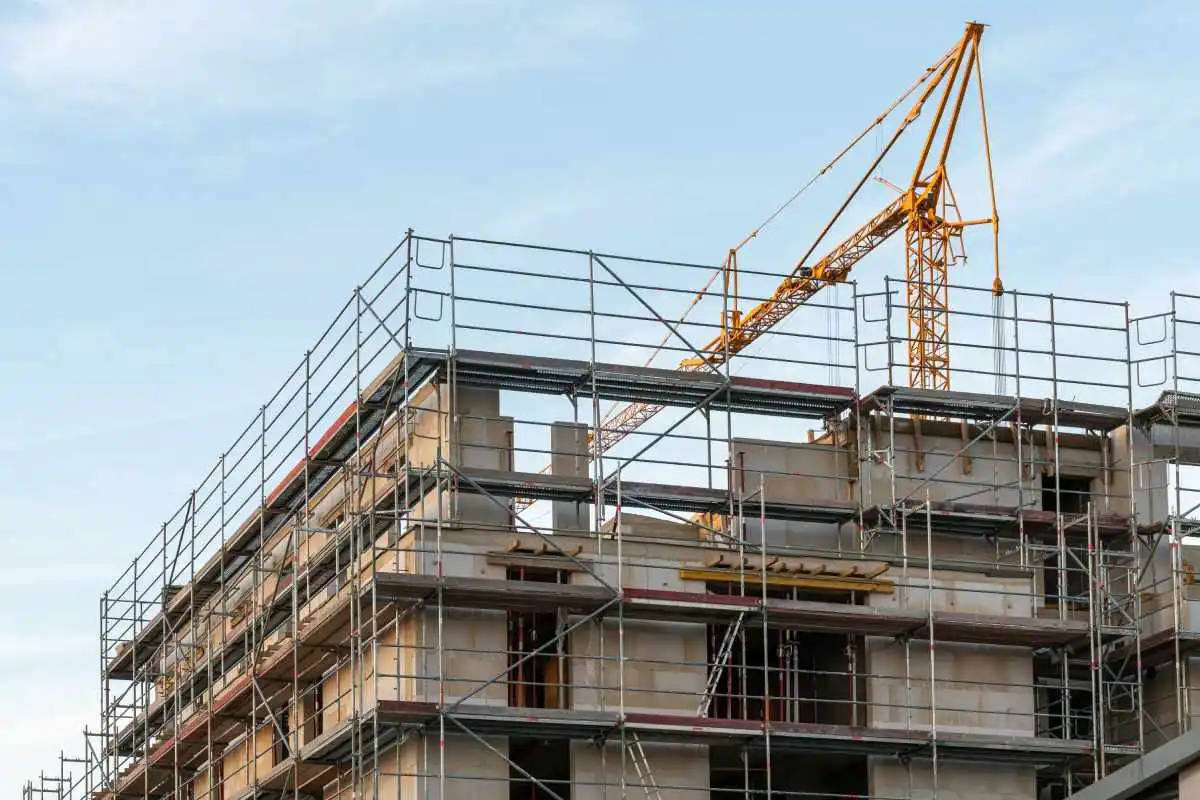
Lighter, Stronger Materials Lead the Evolution
One of the most significant shifts in scaffolding is the adoption of high-strength, lightweight materials. Aluminum alloys and advanced steel formulations are now engineered to deliver impressive load capacity without adding unnecessary weight. These materials simplify transport, reduce labor strain during assembly, and help crews work more efficiently on complex building sites.
Modular and Hybrid Systems Increase Flexibility
Traditional scaffolding systems are being replaced or enhanced by modular designs that prioritize quick adjustments and multi-directional compatibility. Modular scaffolding allows teams to build configurations tailored to irregular façades, confined spaces, or unconventional architectural forms. Hybrid systems—combining tube-and-clamp flexibility with modular frame stability—are also becoming more popular for projects that require both speed and adaptability.
Smart Technology Enhances Safety and Oversight
Digital tools are playing a growing role in scaffolding safety management. Sensors embedded in key structural points can monitor load distribution, detect vibration, and alert teams to potential failures before they occur. RFID tagging and digital inspection logs streamline asset tracking and maintenance planning, reducing the risks associated with manual oversight.
Improved Connection Systems for Faster Assembly
Innovations in couplers, locking mechanisms, and quick-fit components are significantly reducing setup and dismantling times. These new connection systems are engineered to provide secure fastening with fewer tools, lowering labor costs and minimizing the chance of assembly errors. Faster installation also means less disruption on busy construction sites.
Enhanced Safety Features Built Into the Design
Safety continues to be at the core of scaffolding innovation. Anti-slip platforms, reinforced guardrails, and integrated toe boards now come as standard features in many modern systems. Additionally, improved foundation supports and adjustable bases ensure stability on uneven terrain, giving crews a safer working platform in challenging site conditions.
Environmentally Conscious Construction Drives Material Efficiency
Sustainability is shaping the future of scaffolding as well. Manufacturers are exploring recyclable materials, corrosion-resistant coatings that reduce waste, and long-lasting components that minimize frequent replacement. These environmentally conscious improvements help companies meet green building standards while lowering long-term operating costs.
Conclusion
The scaffolding industry is evolving rapidly, fueled by advancements in materials, design versatility, and smart technology. These innovations work together to deliver safer, more efficient, and more sustainable solutions for projects of all scales. As construction continues to embrace modernization, forward-thinking scaffolding systems will play an essential role in supporting the next generation of buildings.
For innovative, reliable scaffolding solutions that meet the demands of modern construction, scaffworld is ready to support your vision.